
Devi Kashyap was a 33 years old home cook. She used to cook food at people’s homes in a middle class locality Indira Nagar in Lucknow to earn her living. She was living separately from her husband with her 13 years old son Abhishek, a class VII student. Possessing a fiercely independent personality she did not get along with her husband after the son was born. She made another attempt to live with him but it did not work out. Husband used to pull rickshaw meant to carry load and eventually gave up on Devi and decided to marry another woman. Devi used to live in rented accommodation.
When the Lucknow Development Authority announced a Pradhan Mantri Awas Yojna Urban housing scheme meant for Economically Weaker Section Devi decided to apply. The application was filled online and she paid a registration charge of Rs. 10,000.
In the meantime a settlement in Lucknow Akbar Nagar had to be demolished and the houses built under the above-mentioned scheme were given on a priority basis under relaxed conditions to the displaced population. For the remaining houses a draw of lots was held and Devi was lucky to find her name in the selected list.
Now, she was required to pay Rs. 50,000 as allotment money and for the next five years she would have to make monthly payments of Rs. 8,308 and would get the house only after full payment of Rs. 4,19,550 was made. The government was offering a subsidy of Rs. 2,50,000. The total cost of the house was Rs. 7,29,550.
Devi used to earn about Rs. 10,000-15,000 per month depending on how many houses she was cooking in. She was paying a rent of Rs. 7,000 per month. With no savings it was almost impossible for her to pay the Rs. 50,000 allotment money and the monthly installments over next five years. If she were to get the possession of the house which was alloted to her she could hope to save the present rent cost and pay the monthly installment.
She visited a loan mela organised by LDA for allotees. Her own bank refused to give her loan without production of a salary slip or an income-tax return. Now, how many people working in the unorganised sector – especially domestic help, rickshaw pullers or daily wage workers – are likely to have these documents? She met the Commissioner, Lucknow Division who directed her to Manager, Lead Bank in Lucknow. This manager spoke to the manager of her bank. She came back to the manager of the branch where she had an account. The manager once again looked at the guidelines and reached a conclusion that she was not in a position to make the repayment of loan even if she was given maximum possible period to repay. He would not buy the argument that after all it was a government PM housing scheme house which could be mortgaged. It was inexplicable that if people like Devi could not get a loan why did the LDA organise the loan mela on its premises? And if people who had pay slips or income tax return were going to get loan from bank, did they really belong to EWS category?
Devi met the Commissioner again who was kind enough to ask the Vice Chairperson, LDA to ensure that she gets the loan and the house. VC, LDA took a decision in Devi’s favour that if she deposited one-fourth of the cost of house, she could get possession making it easier for her to pay installments as she would then not have to pay the present rent. Now she needed Rs. 1.6 lakhs to get the possession of house. The VC, LDA also asked the manager of the bank which operates out of the premises of LDA to offer Devi this amount as loan. The bank manager began the paperwork.
Devi would cook food in houses in the morning and then straightaway head towards LDA and/or Bank office to complete her paperwork before returning to the houses to cook the evening meals. She had to skip her own lunch on a number of days. Sometimes her son, a student of class VII would also accompany her. When the loan was approved the bank manager got transferred to Varanasi. The new manager took time to join. The incharge manager would not take a decision to release the loan amount.
All the running around had taken its toll on Devi Kashyap’s health who was already in a bad shape after a failed experiment to set up a food cart at a street crossing for a few months in lieu of cooking food a people’s homes. Her haemoglobin fell to 6 grams per decilitre whereas the minimum desirable is 12. She was admitted to Civil Hospital, Hazratganj for about ten days. Three bottles of blood were transfused and she was given some medicines. She hadn’t worked for a month and therefore had to move to an accommodation where the generous owner allowed her to stay for free. It appears that while she was in hospital, either the blood transfused or some medicine created some reaction because of which she was back in the same hospital three days after she was released.
Second day early morning when her condition deteriorated, doctors at Civil Hospital advised her to be moved to King George Medical Univeristy hospital. As she was on the way to bigger hospital she passed away in the ambulance.
Her hope of acquiring her own house were dashed with her death. All because she could not procure a loan of Rs. 1.6 lakhs for the much touted PM housing scheme meant for EWS. If people belonging to her category of unorganised workers cannot procure a loan for a house under this scheme then who are these EWS houses meant for? Houses which could be obtained under the previous government for one twentieth the cost have become prohibitively expensive for the real poor. The cost of a house under the Basic Services for Urban Poor scheme under the Manmohan Singh government was less than Rs. 20,000. Under Mayawati government free Kanshiram houses were available for the poor. The definition of poor has undergone a change under the Modi government. Now the bar is much higher. The poorest of the poor are left out like the dalits were left out of the caste system. Their category doesn’t have a name like the outcastes didn’t have a category name in the caste system. Some of them don’t even have birth related documents now required for Adhaar Card, without which it is impossible to access any welfare scheme.
Devi Kashyap paid the price with her life and could not get her house because her name was not Subhash Chandra, Vijay Mallaya, Neerav Modi, Mehul Choksi or Lalit Modi.
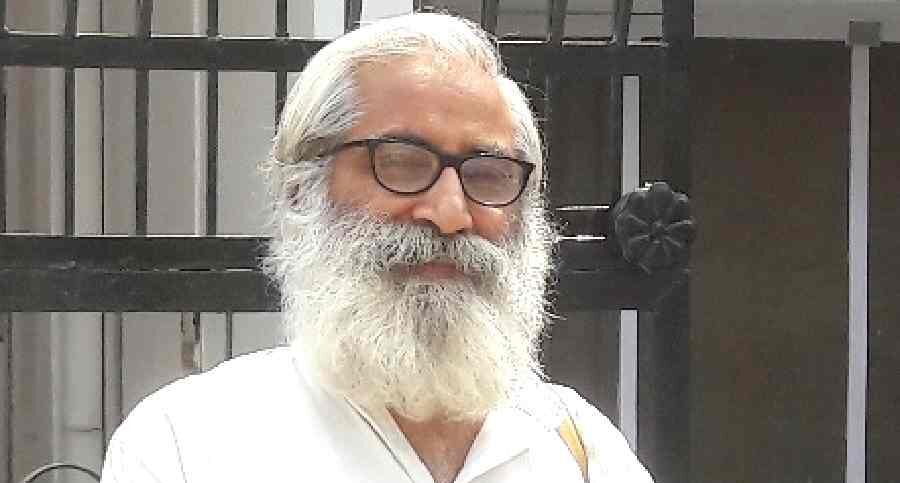
By Sandeep Pandey
Phone: 0522-2355978, 3564437
Email: ashaa…@yahoo.com
Note: Writer is Secretary General, Socialist Party (India).
Leave a Reply